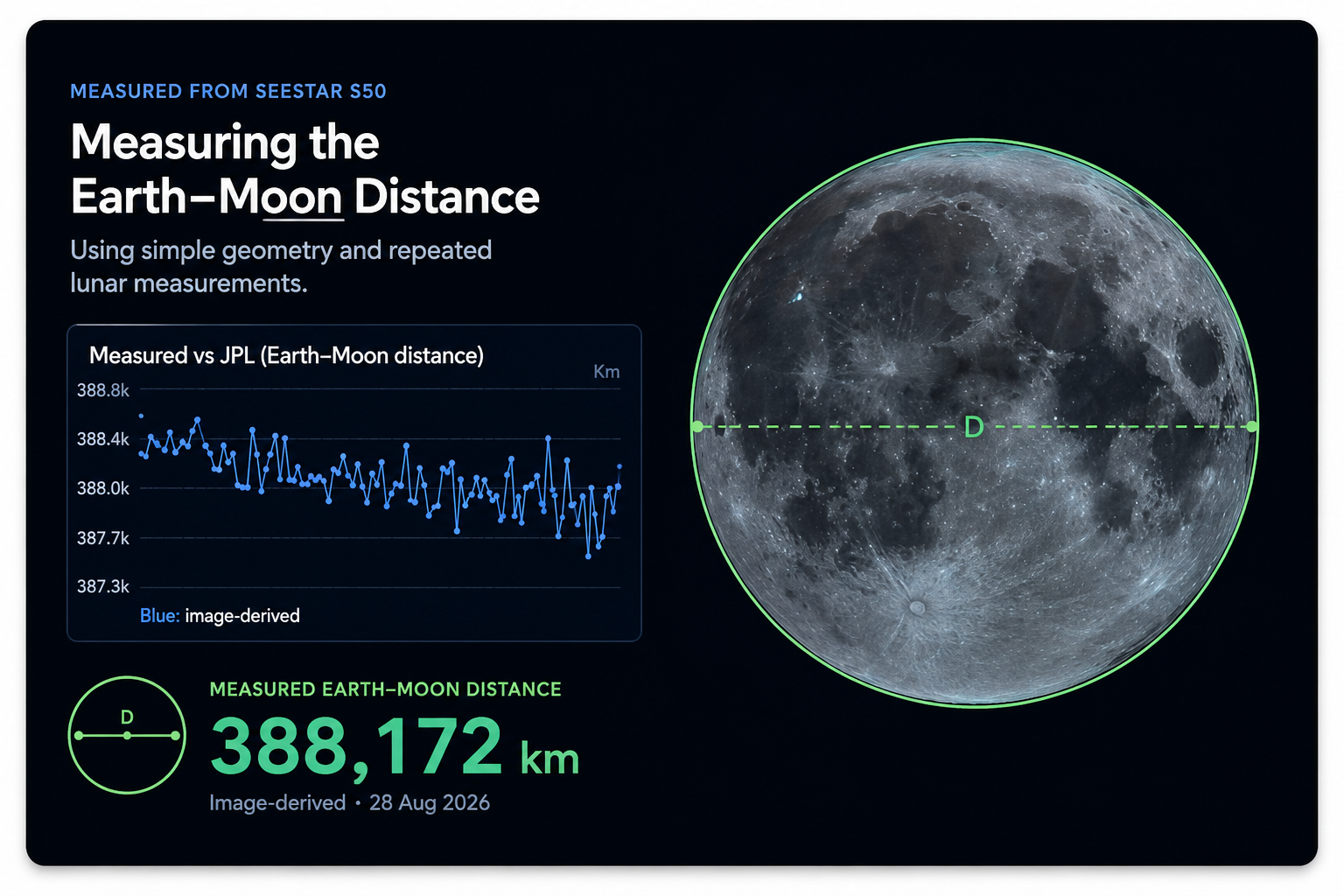
Experiment
Measure the Distance to the Moon
Turn a sequence of real Seestar S50 lunar images into an estimate of the Earth–Moon distance and compare the result with JPL.
Try the experimentOur wide-field smart telescope for galaxies, nebulae and star clusters, combining automated tracking with live stacking.
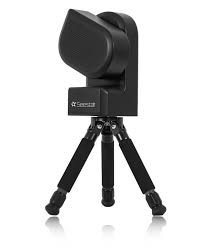
The Seestar S50 is our compact deep-sky imaging telescope. Its 50 mm aperture and 250 mm focal length give it a much wider view than the NexStar 8SE, which makes it ideal for extended objects such as nebulae, galaxies and star clusters.
The integrated camera, motorised mount and mobile control system automate target acquisition, tracking and live stacking. Instead of waiting until the end of an exposure, participants can watch faint structure gradually emerge on screen as more images are combined.
That live-stacking workflow makes the Seestar particularly effective for remote sessions because the observing process itself becomes visible: you see how a faint target develops from individual frames into a useful astronomical image.
A Seestar image does not have to be just a photograph. Use real observations to measure the Moon, investigate orbital motion, follow eclipses and identify distant planetary moons.
Turn a sequence of real Seestar S50 lunar images into an estimate of the Earth–Moon distance and compare the result with JPL.
Try the experiment
Use angular size, distance and simple geometry to estimate the physical diameter of our nearest neighbour.
Try the experiment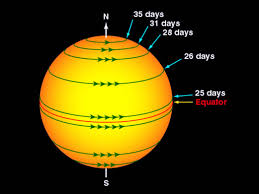
Track sunspots across successive observations and use their motion to estimate how quickly the Sun rotates.
Try the experiment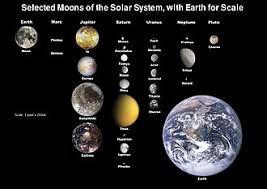
Upload a Seestar S50 image and compare it with calculated satellite positions to identify moons around distant planets.
Open the tool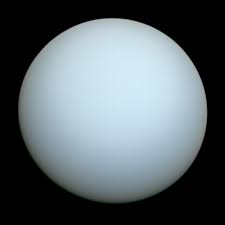
See whether the Seestar S50 can detect faint moons such as Titania and Oberon and learn how to identify them.
Explore the observation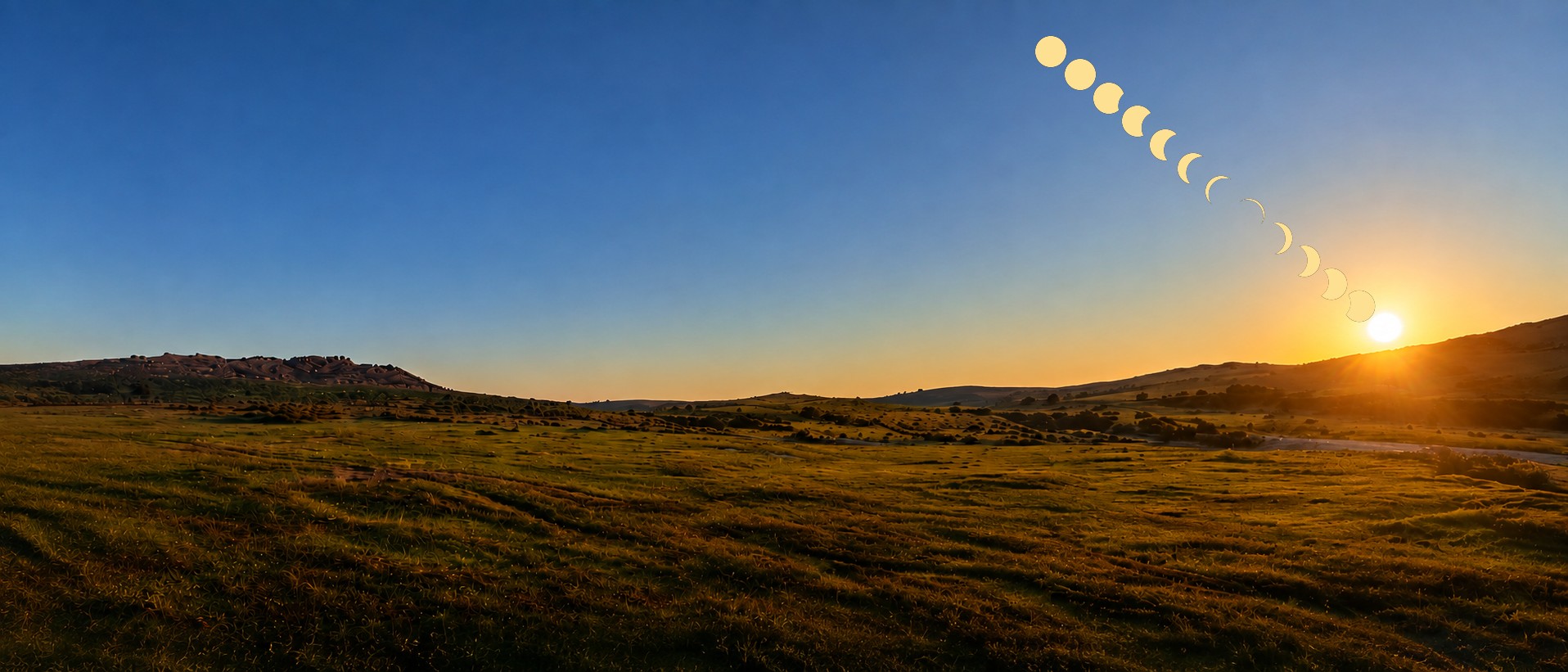
Follow a solar eclipse with a Seestar S50 and turn the changing geometry of the Sun and Moon into an observing sequence.
Explore the observation